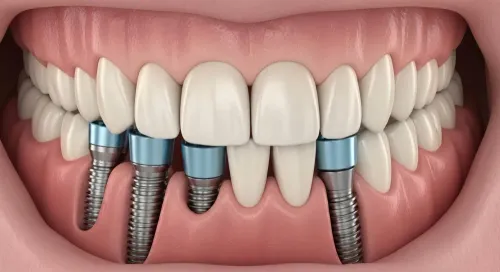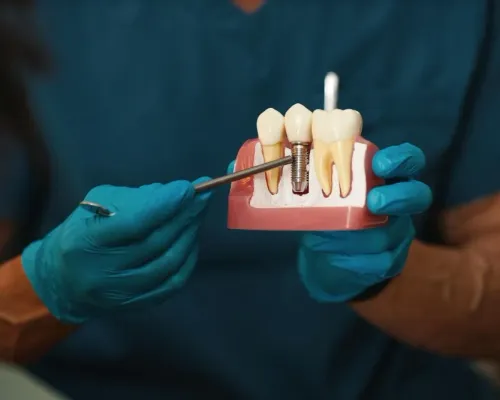
Bleeding, swelling, altered eating and uncertainty about cleaning are common in the first days after implant surgery. You will learn how to protect the surgical site, identify problems that need prompt attention, and follow a recovery plan that matches your procedure rather than relying on generic advice.
Key takeaways
- Bite on gauze as prescribed and avoid forceful spitting, rinsing, straws, and touching.
- Choose soft, cool foods and keep the toothbrush away from the surgical site initially.
- Seek urgent dental advice for uncontrolled bleeding, worsening swelling, fever, or breathing difficulty.
- Attend scheduled reviews so your implantologist can monitor healing and adjust care.
Your first 72 hours: control bleeding and swelling
During the first 24 hours, protect the blood clot: bite firmly on the gauze for the period your implantologist prescribed, then replace it only if instructed. Do not spit forcefully, rinse vigorously, use a straw, or repeatedly touch the surgical site.
Rest with your head raised, use a cold pack intermittently on the cheek, and take only the recommended pain medicine. Choose cool, soft foods and chew on the opposite side; avoid hot, spicy, hard, sharp, sticky, or seed-containing foods.
- Day 1: Keep activity light and avoid bending, heavy lifting, and smoking. A small blood-tinged seep is expected, but gauze that becomes soaked repeatedly or bleeding that does not settle with firm pressure needs prompt dental advice.
- Day 2: Swelling commonly reaches its highest level during the first 48 hours. Continue head elevation and use cold packs if advised; do not panic over moderate tightness or bruising unless pain or swelling is rapidly worsening.
- Day 3: Swelling should stop increasing and begin to ease. Continue gentle care and follow the prescribed medicines; do not self-start leftover antibiotics for pain, swelling, or a loose component.
For dental implant aftercare in Nashik, follow your implantologist’s written plan over generic online advice. Grafting, sinus lifting, immediate placement, sedation, or a temporary tooth changes the recovery instructions. Contact the clinic urgently for uncontrolled bleeding, rapidly worsening swelling, fever, pus, breathing or swallowing difficulty, or an implant or temporary part that moves.
What to eat and how to clean your mouth
Choose food that slips past the wound without heat or pressure. For a dental implant for care after placement in Nashik, keep meals soft and lukewarm, chew on the opposite side, and stop before food packs around the surgical site. Avoid very hot foods while numb; you can burn tissue without feeling it.
Hard, sharp, sticky, spicy and seed-containing foods can lodge in or scrape the wound.
| Stage | Choose | Avoid |
|---|---|---|
| First 24–48 hours | Yoghurt, khichdi, mashed vegetables, eggs and lukewarm soup | Hot food, chilli, nuts, chips, seeds and crusty bread |
| While a temporary tooth is fitted | Soft food chewed away from the implant | Biting hard foods with the temporary tooth |
Do not scrub the surgical wound. Brush your untreated teeth and other reachable surfaces with a soft-bristled toothbrush, using small gentle strokes; keep the bristles away from the implant site until your implantologist permits cleaning there. Do not spit forcefully or rinse vigorously, because either action can dislodge the clot.
Follow the written rinse instructions. After the initial no-rinse period, your clinician may prescribe chlorhexidine or recommend gentle lukewarm salt-water rinses. Do not start chlorhexidine without that instruction, swallow it, or use it longer than directed: it can stain teeth and alter taste. If bleeding restarts, stop rinsing and apply firm gauze pressure as instructed.
Which symptoms are normal, and which require urgent help?
Mild soreness, tenderness and swelling are routine when they peak during the first 48 to 72 hours and then begin to improve. A small blood ooze can occur early, but firm, continuous pressure should settle it; worsening symptoms need assessment.
| Finding | What it usually means | What to do |
|---|---|---|
| Soreness, bruising or swelling that is easing | Normal healing | Follow the prescribed pain plan and monitor it |
| Increasing redness, warmth, pus, bad taste, fever or worsening pain | Possible infection or peri-implant inflammation | Contact the treating clinic promptly |
| Bleeding that continues despite sustained pressure | Uncontrolled bleeding | Contact the clinic urgently |
| Implant itself moves, even without pain | Failed stability during healing | Stop chewing on that side and seek prompt assessment |
| Temporary crown, bridge, healing cap or abutment feels loose | Loose temporary component, not normal settling | Do not glue or tighten it; contact the clinic |
Difficulty breathing or swallowing, facial swelling that is rapidly expanding, or a severe allergic reaction is an emergency. Seek emergency care rather than waiting for a routine appointment.
Do not start leftover antibiotics for pain, swelling or movement. Take an antibiotic only if prescribed, exactly as directed; cleaning remains essential because antibiotics do not remove plaque. Smoking, uncontrolled diabetes and poor plaque control raise healing risks.
For dental implant recovery care in nashik, follow the implantologist’s written plan, especially after grafting, sinus lifting or immediate placement.
Protecting healing over the following weeks and months
Smoking and vaping reduce blood supply and raise the risk of poor healing, peri-implant disease and later implant failure. Stop tobacco throughout healing, not only on surgery day. Avoid alcohol while the wound heals and while taking prescribed medicines; it can worsen bleeding, interfere with medication and encourage missed aftercare.
Protect the implant during the weeks before osseointegration is complete, often about 2–6 months:
- Keep exercise light until your implantologist permits strenuous activity; heavy lifting and contact sports can disturb healing.
- Do not chew hard foods on a temporary tooth unless your written plan allows it. A temporary crown that feels high, moves or takes force can overload the implant.
- Keep diabetes medically controlled and attend reviews if your glucose readings are unstable.
- Tell the clinic about osteoporosis treatment, steroid use, immune problems or medicines that affect healing.
- Report a history of periodontitis, because previous gum disease increases the risk of peri-implant infection.
- Never ignore a painless implant that moves; mobility needs prompt assessment.
Daily plaque control protects long-term stability. Use a soft toothbrush around the final crown and an implant-appropriate interdental brush, floss or water flosser only after your clinician demonstrates the technique. Forcing floss or an oversized brush under the gum can injure tissue.
Caring for dental implants in Nashik also includes professional maintenance, usually at individualized 3–6-month intervals based on plaque control, smoking, diabetes, periodontitis, implant position and prosthesis design. Your clinician can use baseline or problem-focused radiographs when needed.
How your implantologist should tailor follow-up in Nashik
Your written plan should name the operating implantologist, the treated site, medicines and doses, cleaning instructions, diet limits, emergency contact and the date or condition for each review. Confirm whether antibiotics were prescribed; never start leftover antibiotics for pain, swelling or a loose implant.
Implantologist aftercare in Nashik must follow your procedure, not a universal online timetable. Ask how the clinic will assess stability, the temporary restoration and healing, and when a radiograph is clinically needed. A painless implant that moves needs prompt examination.
Match the review schedule to the procedure:
- Grafting: book an early wound check, then a healing review before implant placement or loading.
- Sinus lifting: confirm the surgical review and any sinus-specific precautions; report nasal pressure, bleeding or worsening pain promptly.
- Immediate placement: arrange an early check of stability and the extraction socket rather than waiting for routine recall.
- Sedation: obtain the escort, driving restrictions and the clinic’s same-day or next-day contact instructions.
- Temporary tooth: schedule adjustment if it rocks, bites high, causes an ulcer or presses on the implant.
After healing, recall is risk-based, commonly every 3–6 months according to plaque control, smoking, diabetes, previous periodontitis, implant position, prosthesis design and graft history. Dr. Bhonsale's Dental Clinic & Implant Center should record the plan clearly so you know which symptoms require a call rather than waiting for recall.
Related service
Replacement Of Missing Tooth Or Teeth Dental implants are permanent solutions for missing teeth, designed to mimic natural tooth roots and provide a strong foundation for fixed or... View service → |
Frequently asked questions
What should you do during the first 72 hours after implant placement?
Bite on gauze for the period your implantologist prescribed, avoid disturbing the blood clot, and use prescribed measures to control swelling and discomfort.
What can you eat after dental implant placement, and how should you clean your mouth?
Choose soft foods that do not require forceful chewing, avoid very hot items near the surgical area, and follow your implantologist’s instructions for brushing and rinsing.
Which symptoms after implant placement require urgent help?
Contact your implantologist promptly for uncontrolled bleeding, worsening pain or swelling, fever, pus, a loose implant, or difficulty breathing or swallowing.
How should you protect an implant during the following weeks and months?
Avoid smoking, protect the site from excessive chewing pressure, maintain careful oral hygiene, and attend every scheduled follow-up appointment.
How should implant aftercare be tailored in Nashik?
Your implantologist should set follow-up timing and cleaning instructions according to the procedure, your medical history, healing progress, and any local treatment factors.
Keywords