A painful, loose or unattractive implant does not automatically need removal. The first task is to identify whether the movement is in the crown, abutment, screw or implant body, then match the finding to imaging and treatment. By the end, you will know which symptoms need urgent care, what to bring to an appointment and when repair is realistic.
Key takeaways
- A loose crown does not prove the implant body has failed.
- Urgent assessment is needed for pain, swelling, pus, fever or a mobile implant.
- Stable implant bodies may be saved by repairing components, cleaning infection or correcting the bite.
- Removal is considered when integration is lost, infection persists or the implant is fractured.
Which implant problems can be repaired, and which need urgent care?
A loose crown or abutment screw does not automatically mean the implant has failed. The key distinction is stability: a dentist can remove the restoration, inspect the screw and component fit, check for fracture, residual cement and bite problems, and test whether the implant body remains firmly integrated.
| Finding | More likely meaning | Action |
|---|---|---|
| Crown moves but implant body is stable | Loose screw, worn component, cement or crown problem | Arrange prompt repair |
| Bleeding, pus, deep pockets or increasing bone loss | Peri-implant inflammation or infection | Book assessment soon |
| Implant body itself moves | Possible loss of bone integration | Urgent specialist assessment |
| Sudden numbness, severe swelling or spreading redness | Infection, nerve involvement or another complication | Seek urgent dental or medical care |
Do not wait for a routine appointment if you have facial swelling, fever, difficulty swallowing or breathing, uncontrolled bleeding, new persistent numbness, or rapidly worsening pain. Pain alone does not prove failure, but a suddenly mobile implant is a serious warning.
If you search for an “implantologist in nashik for problem dental implant,” ask who will manage the complete diagnosis. A prosthodontist may repair the crown and bite, a periodontist may treat surrounding tissues, and an oral and maxillofacial surgeon may handle complex removal or nerve-related problems.
Check registration, postgraduate training and failed-implant experience; “implantologist” alone does not establish a formal specialist qualification.
What happens during an implant problem consultation in Nashik?
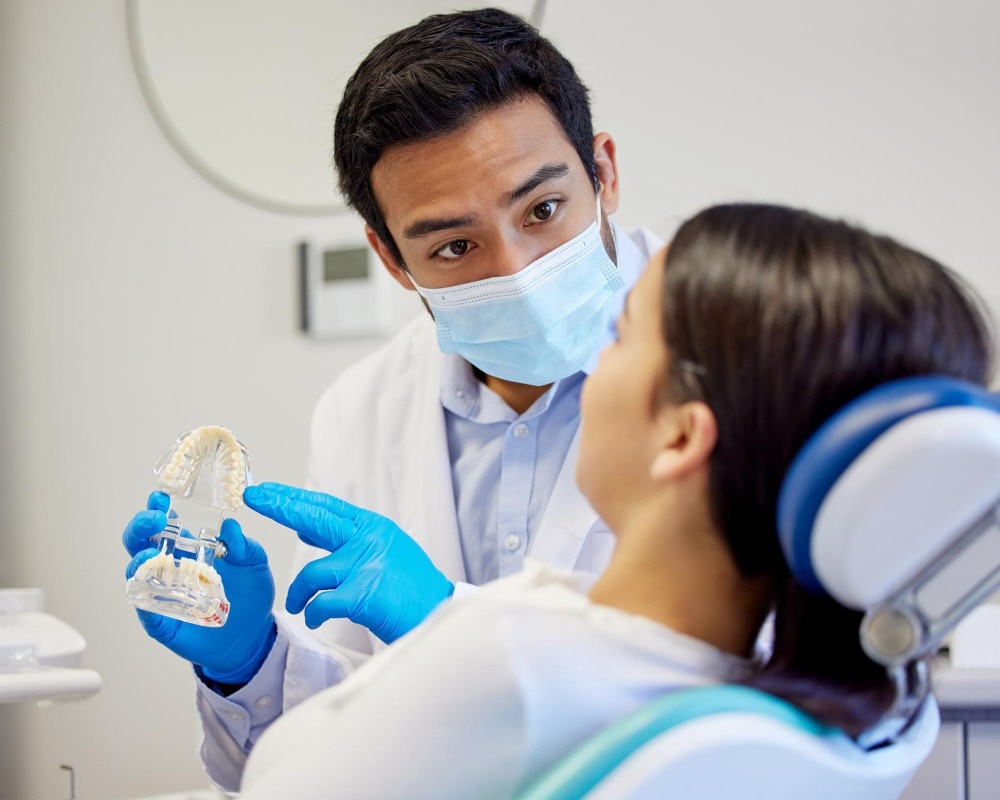
The clinician begins by deciding whether the problem involves the crown, abutment screw, implant body, surrounding tissues, bite, nerve or sinus. An implant problem consultation in Nashik combines a medical and dental history with soft-tissue inspection, probing around the implant, mobility testing and an occlusal assessment.
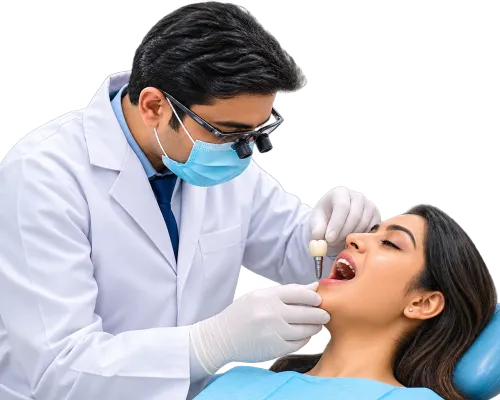
A loose crown is removed when necessary to inspect the screw, component fit, fracture and residual cement.
Bring these records and details:
- Implant brand, model, diameter, length and component connection, if recorded
- Implant-placement date, operative report and restoration-delivery date
- Previous periapical radiographs or other dental images for comparison
- Medical history, medications, diabetes status, smoking history and previous periodontal problems
- A symptom list noting pain, swelling, bleeding, pus, bad taste, numbness, bite changes or movement, including when each began
A periapical X-ray shows bone levels, implant position and changes around the implant. Request CBCT imaging when the X-ray cannot explain bone loss, suspected fracture, poor positioning, sinus involvement or nerve-related symptoms.
| Finding | What it may indicate | Record or test that helps |
|---|---|---|
| Loose crown or screw | Prosthetic complication, not automatically implant failure | Restoration removal, screw inspection and bite check |
| Bleeding or deep probing | Peri-implant inflammation or bone loss | Six-point probing and periapical comparison |
| Implant body movement | Loss of integration or fracture | Mobility testing and radiographic assessment |
| Numbness or sinus symptoms | Nerve or sinus complication | CBCT and referral assessment |
What treatment can save the implant without replacing it?
A loose crown or abutment screw does not prove implant failure. The clinician must identify whether movement belongs to the restoration or the implant body. If the body is stable, removing the restoration allows inspection for a fractured screw, poor component fit, damaged threads or residual cement before repair.
An implant body can often remain in place when the problem is:
- A loose crown or abutment: remove it, correct the fit, and tighten or replace the component to the manufacturer’s torque.
- A fractured screw: retrieve the fragment if possible, then fit a new screw and check the connection.
- An uneven bite: adjust excessive contacts and correct crown shape or design so chewing forces do not overload the implant.
- Mucositis: remove plaque and deposits, improve home cleaning, and control the inflammation before bone loss develops.
- Peri-implantitis with a stable implant: treat the infected pocket and supporting tissues through professional debridement and, when indicated, surgical treatment.
Peri-implantitis is not solved by cleaning only the visible crown. The clinician must assess bone loss and the restoration margin, especially when excess cement traps plaque.
A truly mobile implant body is different. It can indicate loss of osseointegration, and tightening the prosthetic screw will not make it stable; removal is commonly required after confirming that the movement is not limited to the crown or abutment.
Ask a dental implant specialist in Nashik who will manage restoration, tissue treatment and complex surgery if the diagnosis crosses those areas.
When does implant failure require removal or a different specialist?
Removal becomes necessary when the implant body is mobile, fractured, severely misaligned, surrounded by infection that cannot be controlled, or has a structural defect that cannot be corrected predictably. A loose crown, abutment or screw does not automatically mean the implant has failed.
| Cause | What it means | Specialist to compare |
|---|---|---|
| Loose crown, residual cement or poor bite | The implant may remain stable after restoration removal, cleaning, component replacement or bite adjustment | Prosthodontist with implant-restoration experience |
| Peri-implantitis with progressive bone loss | Inflammation has damaged supporting bone; cleaning the visible crown alone is insufficient | Periodontist or implant clinician experienced in surgical peri-implant treatment |
| Mobile implant, fracture or severe malposition | Bone integration may be lost, or the implant cannot support a predictable restoration | Oral and maxillofacial surgeon, often working with a prosthodontist |
| Numbness, spreading infection or complex grafting need | Nerve involvement, deep infection or deficient bone can change the surgical plan | Oral and maxillofacial surgeon urgently |
Replacement is a separate decision from removal. Infection control, healing time and bone or soft-tissue augmentation may come before another implant.
When choosing an implantologist for implant failure in Nashik, check dental registration, postgraduate training, documented experience managing failed implants and access to prosthodontic, periodontal and surgical care. Ask who will remove a fractured component, treat bone loss and restore the site if the implant cannot be saved.
Dr. Bhonsale's Dental Clinic & Implant Center can be assessed on that same basis: ask which clinician handles each part of your diagnosis and treatment.
Facial swelling, fever, pus, difficulty swallowing or breathing, uncontrolled bleeding, or new persistent numbness requires urgent assessment rather than a routine review.
Related service
Replacement Of Missing Tooth Or Teeth Dental implants are permanent solutions for missing teeth, designed to mimic natural tooth roots and provide a strong foundation for fixed or... View service → |
What should you expect after treatment or implant removal?
A stable implant with a repaired crown or abutment usually moves into maintenance, not removal. The decision changes if infection, bone loss, mobility, tissue damage or a missing implant body remains after treatment.
1. Maintenance follows when the implant is rigid, the surrounding tissues are controllable and the restoration fits correctly. The clinician may remove a cement-retained crown to eliminate residual cement, adjust the bite, improve cleaning access and schedule reviews. Plaque control, smoking, periodontitis and diabetes management affect whether the repair lasts.
2. Healing comes first after removal or infection treatment. The site must be free of active infection and the soft tissue must close before the clinician can judge its condition for another procedure.
3. Grafting is considered when removal or disease leaves too little bone for stable implant placement, or when the gum contour needs rebuilding. The type and extent of bone loss determine whether bone grafting, soft-tissue augmentation or both are needed.
4. Replacement is a separate decision, not an automatic final step. A new implant requires adequate bone, healthy soft tissue, controlled bite forces and a plan that matches the original implant position and restoration; immediate replacement is unsuitable when infection or a large defect prevents predictable stability.
Ask for a written plan stating whether the implant body is stable, what must heal, whether grafting is required, and which signs require urgent review. Pain, swelling, pus or new mobility after treatment needs prompt assessment.
Frequently asked questions
Which dental implant problems need urgent care?
Seek prompt dental assessment for a mobile implant body, increasing pain, swelling, pus, fever, bleeding or numbness. A loose crown or abutment screw also needs evaluation, but it does not automatically mean implant failure.
What happens during an implant problem consultation in Nashik?
The dentist removes or examines the restoration, checks the crown, abutment and screw, looks for fracture and residual cement, assesses the bite, and evaluates whether the implant body remains stable and integrated.
Can a problem implant be saved without replacement?
Yes, when the implant body remains stable. Treatment can include replacing a damaged screw or component, removing residual cement, treating infection around the implant, adjusting the bite or repairing the restoration.
When does implant failure require removal or another specialist?
Removal may be needed when the implant is mobile, fractured or has persistent infection with lost support. Complex bone loss, nerve symptoms or difficult surgical access may require referral to an appropriate dental implant specialist or another specialist.
Keywords