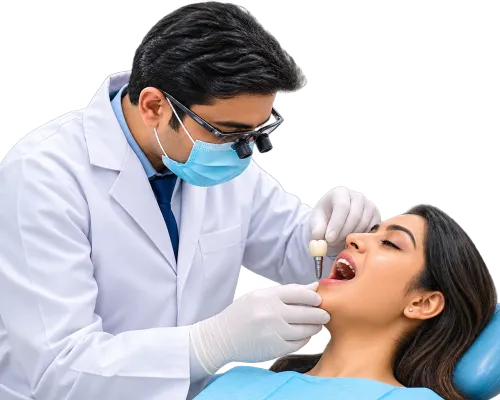

Older age alone does not prevent implant treatment, but it changes the questions a dental team must answer before surgery. You will be able to judge whether your health, medicines, oral condition, daily support and treatment goals make implants practical, and what alternatives to compare when they do not.
Key takeaways
- Age alone does not disqualify you from dental implants.
- Get medical clearance for blood thinners, diabetes, heart disease and osteoporosis drugs.
- Ask for a CBCT scan to assess bone height, width and nerve position.
- Compare surgical safety, maintenance plans and follow-up before choosing a centre.
Does age alone rule out dental implants?
Chronological age alone does not rule out dental implants. An implant centre in Nashik for older patients should judge overall surgical risk, oral health, independence and treatment goals, not apply an upper-age cutoff. Older adults can receive implants when their health and support make the proposed treatment reasonably safe.
Assessment must include:
- Frailty, mobility and the ability to reach the clinic
- Cognition and capacity to understand choices, risks and alternatives
- Nutrition and conditions that could slow healing
- Hand dexterity for brushing, flossing and denture handling
- Caregiver support when daily help is needed
- Informed consent and the ability to attend reviews
- The patient’s goals, such as chewing comfortably, improving speech or securing a loose denture
Biological readiness is only one part of suitability. A patient may have adequate bone and healing capacity yet struggle to clean around implants, remove and replace an overdenture, or recognise infection. Those practical limits can make a simpler denture or a different implant design safer.
Medical conditions, frailty and maintenance demands still shape the plan. For someone considering dental implants for older adults in Nashik, the key question is whether the overall risk, support available and long-term cleaning commitment are acceptable—not whether the patient has reached a particular birthday.
How does an implantologist assess suitability before surgery?
Suitability is decided by healing risk, oral disease, bone, functional goals and maintenance capacity—not age or an X-ray alone. A complete assessment also asks whether you can attend follow-up visits, maintain the final restoration, clean around implants, and remove or replace an overdenture safely, with help if needed.
- Take a full medical and dental history, including smoking, smokeless-tobacco use, medicines, diabetes control, nutrition, mobility, cognition and hand dexterity.
- Perform a periodontal examination for gum disease, infection, pocketing, gum recession and loose teeth.
- Assess natural teeth, existing dentures, bite, oral hygiene and whether saving a tooth is preferable.
- Review bone volume with examination and appropriate imaging.
- Review an HbA1c result when diabetes is relevant. It informs risk assessment but does not replace clinical judgement.
- Confirm that you can attend reviews and access a caregiver for cleaning, denture handling or transport.
Dental implant suitability in Nashik is not the same as suitability for one specific treatment plan.
| Option | What it means | When it applies |
|---|---|---|
| General implant suitability | Overall health and maintenance capacity support treatment | When risks are acceptable after assessment |
| Immediate placement | Implant enters the socket during extraction | When infection, socket anatomy, bone and stability permit it |
| Delayed placement | The site heals before implant surgery | When infection, bone loss or healing risk requires staging |
| Overdenture | Implants retain a removable denture | When removable teeth improve function and cleaning remains manageable |
| Fixed bridge or full-arch treatment | Implants support non-removable teeth | When bone, bite forces, hygiene and follow-up capacity support the design |
Which medical conditions and medicines need clearance first?
Clearance is needed before surgery when disease or treatment could impair healing, infection control or bleeding. Uncontrolled diabetes needs medical review and glucose management; a recent heart event, bleeding disorder, kidney disease, immune suppression, recent chemotherapy or active cancer treatment may require coordination, delay or a modified plan.
Radiation involving the jaws changes bone healing and must be disclosed with treatment dates and dose if available.
- Give the centre a complete list of medicines, including steroids, cancer drugs, osteoporosis injections, diabetes medicines and previous radiotherapy.
- Do not stop warfarin, a direct oral anticoagulant, aspirin or another antiplatelet medicine without the prescribing doctor; dangerous clotting can follow. Planning uses an individualized medical assessment and local haemostatic measures when appropriate.
- Include smoking and smokeless-tobacco use. Stopping or reducing smoking forms part of risk planning because it worsens healing and peri-implant disease risk.
Antiresorptive treatment needs a medication-specific discussion, not an automatic refusal or a promise of zero risk.
| Medicine pattern | Planning implication |
|---|---|
| Oral bisphosphonates for osteoporosis | Usually lower jaw-necrosis risk than cancer regimens; review duration, dental infection and surgical need. |
| Injectable osteoporosis antiresorptives | Assess timing and medical necessity; do not stop treatment without the prescribing physician. |
| High-dose injectable or intravenous antiresorptives for cancer | Higher risk requires coordination with oncology and careful treatment planning. |
This history determines dental implant suitability in Nashik and whether dental implants for older adults in Nashik should proceed now, later or through a less invasive alternative.
What tests and treatment choices account for bone loss?
Bone loss does not end treatment, but it changes the safest plan. A clinical gum examination checks infection, pockets, bleeding, loose teeth and hygiene; dental X-rays assess roots, infection and general bone levels. A panoramic radiograph is two-dimensional and can hide bone width, nerve position or sinus anatomy.
Use three-dimensional CBCT selectively when those details or a grafting question could change treatment; extra radiation is not justified when it will not alter the plan.
| Option | Main trade-off |
|---|---|
| Save natural tooth | Least surgery; suitable only if restorable and stable |
| Conventional bridge | No implant surgery; needs prepared supporting teeth and cleaning beneath |
| Conventional denture | Lowest surgery and cost; less stability; relining and replacement |
| Staged implants | More surgery and healing time; controlled placement and loading |
| Bone grafting | Adds bone; increases surgery, healing time, cost and infection risk |
| Sinus augmentation | Creates upper-jaw height; requires healing and sinus monitoring |
| Tilted implants | Can avoid grafting; demands careful positioning and cleaning |
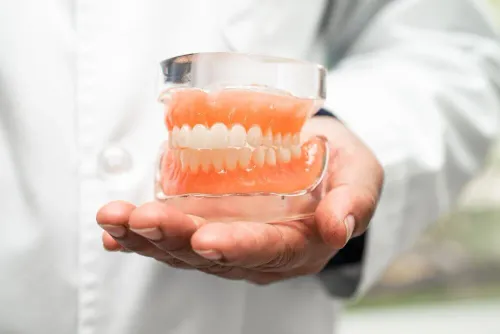
| Implant overdenture | Better stability; removable cleaning, attachments and repairs |
| Fixed full arch | Strong function; highest cost, hygiene demands and repair consequences |
Gum disease must be controlled before implants; bone loss, loose teeth and long-standing dentures can reduce support and alter implant position. Immediate loading is not automatically faster: it requires primary stability, suitable bone quality, controlled bite forces and favourable implant position. The implant centre in Nashik should compare staged loading with these alternatives.
This assessment supports dental implant suitability in Nashik only when you can maintain cleaning and follow-up.
How can you compare an implant centre and the long-term commitment?
Choose an implant centre in Nashik by comparing its assessment and follow-up system, not by counting implants placed. Ask:
- Does the dentist record medical history, medicines, frailty, dexterity and periodontal findings?
- Will you receive alternatives, risks and complications in plain language?
- Is there a written maintenance plan with review intervals and recommended hygiene aids?
- Who manages grafting, infection, nerve or sinus problems?
- How are loose crowns, overdenture attachments, fractures and prosthetic repairs handled, and what will repairs or replacement cost?
| Treatment choice | Ongoing commitment | Main trade-off |
|---|---|---|
| Conventional denture | Remove and clean it as instructed; attend reviews as fit changes | No implant surgery, but stability and chewing may be limited |
| Implant-retained overdenture | Clean implants daily, remove the denture when instructed, replace worn attachments | Better retention, with surgery and future component costs |
| Fixed implant restoration | Daily plaque control beneath and around the restoration; professional reviews | Strong stability, but cleaning, repairs and replacement can be more demanding |
An implant centre in Nashik for older patients should compare these choices rather than present one plan as inevitable. A consultation at Dr. Bhonsale's Dental Clinic & Implant Center should illustrate individualized planning based on health, oral condition, goals and support—not an age-based yes or no.
Treatment continues after fitting: peri-implant inflammation can develop around functioning implants. An implantologist in Nashik is not proven suitable by the label alone; the quality of assessment and follow-up plan matters.
Related services
Replacement Of Missing Tooth Or Teeth Dental implants are permanent solutions for missing teeth, designed to mimic natural tooth roots and provide a strong foundation for fixed or... View service → |
Full mouth rehabilitation is a comprehensive approach to restore and rebuild a patient’s entire oral function and aesthetics. View service → |
Frequently asked questions
Does age alone rule out dental implants?
No. An implantologist assesses your surgical risk, oral health, independence, healing capacity and treatment goals rather than applying an upper-age cutoff.
Which medical conditions and medicines need clearance before implants?
Tell the dentist about diabetes, heart disease, uncontrolled blood pressure, bleeding disorders, immune problems, radiation treatment and medicines such as blood thinners or bisphosphonates. Your dentist may coordinate clearance with your physician.
What tests assess dental implant suitability in older adults?
Assessment can include a dental examination, gum evaluation, X-rays and a CBCT scan showing bone volume, the maxillary sinus and the inferior alveolar nerve. Blood tests or medical clearance are added when your health history requires them.
How should you compare an implant centre in Nashik?
Ask who will place and restore the implant, how bone loss will be managed, which alternatives fit your health, what maintenance is required and how follow-up emergencies are handled.
Related services
Root canal treatment is a pain-relieving procedure to save a tooth with infected or damaged pulp. Dr. View service → |
involves repairing damaged teeth using tooth-colored fillings, inlays, or onlays. View service → |
Fixed Teeth (Crowns & Bridges) Crowns (caps) and bridges are fixed prosthetic devices used to restore damaged teeth or replace missing ones. View service → |
Tooth Extraction (Including Third Molars) Tooth extraction involves the safe removal of teeth that are damaged, decayed, or impacted. Dr. View service → |
Keywords