A broken tooth can look like a minor chip yet contain a crack that reaches the dentin, pulp, gumline, or root. You will learn how to recognise the injury, protect the tooth before an appointment, understand which tests determine whether it can be saved, and compare repair or replacement choices without assuming every fracture requires extraction.
Key takeaways
- A painless crack can deepen, so arrange an examination after any tooth injury.
- Seek urgent care for severe pain, swelling, bleeding, or a loose tooth.
- Dentists assess crack depth, pulp health, remaining tooth structure, and bite forces.
- A filling, inlay, onlay, crown, root canal, or extraction suits different damage patterns.
What Counts as a Broken Tooth, Even When It Does Not Hurt?
A broken tooth includes more than a large, painful break. Each of these injuries needs a dental assessment:
- A chipped enamel edge
- A cracked cusp, the raised part of a back tooth
- A fracture through dentin beneath the enamel
- A split tooth with the crack separating part of the crown
- A vertical root fracture running down the root
- A tooth broken below the gumline
A painless break still matters because enamel has no nerves, and a crack can remain quiet before reaching sensitive dentin or the pulp. Once bacteria enter the fracture, decay, pulpal inflammation, or infection can develop.
A changed bite can also place extra force on the injured tooth, allowing the crack to spread each time you chew.
The visible chip does not reveal how much sound tooth structure remains. A tiny opening may hide a deep crack, while a larger enamel chip may leave the tooth structurally strong.
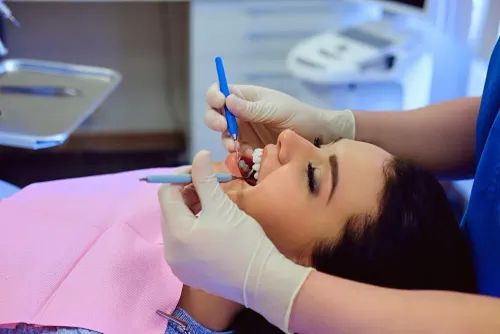
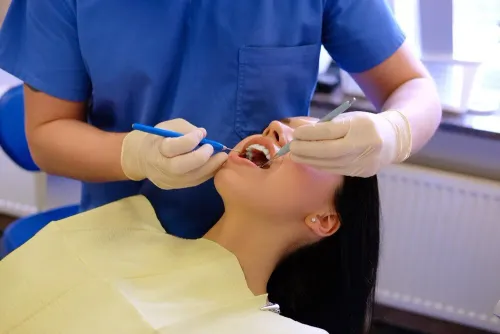
Examination, bite testing, transillumination, gum probing, and dental radiographs help determine the fracture’s depth and position; a conventional X-ray does not always show a crack.
Prompt broken tooth treatment in Nashik aims to prevent a manageable injury from becoming an unrestorable one. Ask whether the fracture involves dentin, pulp, the gumline, or root, and whether the tooth remains suitable for repair.
Which Broken-Tooth Symptoms Need Urgent Care?
Spontaneous toothache, pain when biting or releasing the bite, or hot and cold sensitivity that lingers after the stimulus is removed needs prompt dental attention. Swelling, pus, fever, a bad taste, a loose fragment, or a sharp edge cutting your tongue or cheek also warrants assessment.
Book damaged tooth repair in Nashik promptly; waiting can allow bacterial entry, decay, a larger fracture, or pulp damage.
Until you are seen:
- Rinse gently with clean water.
- Do not chew on the affected side. Avoid hard foods and anything very hot or very cold.
- Place a detached fragment in milk or saline and bring it to the appointment.
- Cover a sharp edge with dental wax.
- Never put aspirin directly on the tooth or gum; it can cause a chemical burn.
| Arrange prompt dental care | Seek emergency medical or dental care |
|---|---|
| Toothache, lingering temperature sensitivity, bite pain, swelling, pus, fever, bad taste, loose fragment, or an edge injuring the cheek or tongue | Facial swelling, difficulty swallowing or breathing, uncontrolled bleeding, severe trauma, or inability to open your mouth normally |
These emergency signs can indicate spreading infection or serious injury. A cracked tooth dentist in Nashik should assess the fracture even when pain comes and goes, because intermittent symptoms do not prove that the tooth is healthy.
How Does a Cracked-Tooth Dentist Decide Whether the Tooth Can Be Saved?
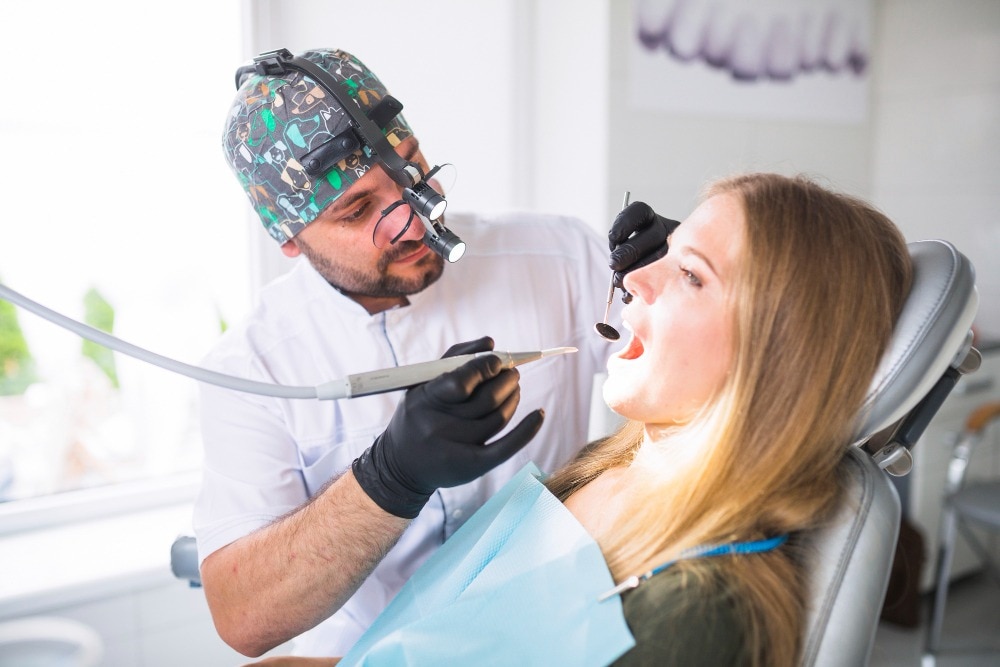
Saving the tooth starts with locating the fracture, not choosing a crown. A cracked tooth dentist in Nashik evaluates how much sound structure remains, whether the pulp is healthy, and whether the crack reaches the gumline or root.
- Visual examination checks what is missing: enamel, dentin, a cusp, or a portion below the gumline. It also shows loose fragments and changes in the bite.
- Bite testing helps locate pain caused by a tooth flexing under pressure. Pain on biting or release points to a crack more clearly than a constant ache.
- Transillumination shines light through the tooth; a crack can interrupt the light path and appear as a dark line.
- Periodontal probing checks whether one narrow area beside the root has an isolated deep defect. That finding raises concern that the fracture extends below the gumline.
- Dental radiographs assess surrounding bone, infection-related changes, and obvious structural damage. A conventional X-ray cannot always display a crack because the fracture may run in the same direction as the beam. If two-dimensional images remain unclear, 3D cone-beam CT may be considered.
Superficial enamel chips, dentin fractures, and some fractured cusps are often repairable. A crack reaching the pulp, a split tooth, or a vertical root fracture creates a poorer outlook. Restorability, pulp status, gumline involvement, and root extension determine whether repair, root-canal treatment with protection, or extraction is appropriate.
Which Repair Matches the Fracture: Filling, Inlay, Onlay, Crown, or Root Canal?
A small enamel or limited dentin chip may need smoothing or composite bonding; a larger fracture needs a repair matched to remaining sound tooth, chewing force, and crack depth.
| Option | Coverage and fit | Appointments, temporary protection, maintenance |
|---|---|---|
| Smoothing or bonding | Enamel or small dentin chip; conservative coverage | Often one visit; no temporary; composite can chip or wear with bruxism or heavy biting |
| Filling | Replaces a smaller missing area; does not cover weakened cusps | Often one visit; usually no temporary; monitor edges and recurrent fracture |
| Inlay | Fits within the cusps when the surrounding walls remain strong | Usually two visits; ask whether a temporary is needed; clean normally and attend reviews |
| Onlay | Covers one or more cusps when a filling leaves them vulnerable | Usually two visits; temporary protection may be needed; maintain flossing and bite checks |
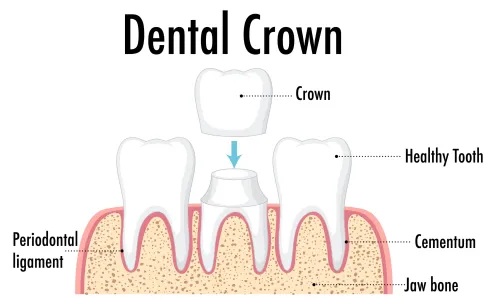
| Crown | Covers the outer tooth when broader reinforcement is needed | Preparation and fitting visits; a temporary crown protects the tooth; clean the margins carefully |
| Root canal | Treats irreversibly damaged pulp, not the crack itself | The tooth still needs a seal and definitive protective restoration, often cuspal coverage |
Before choosing a tooth restoration dentist in Nashik, ask:
- How much sound tooth remains, and where does the crack end?
- Is the pulp irreversibly damaged?
- How many appointments are needed, and will temporary coverage protect the tooth?
- What longevity, maintenance, alternatives, and total cost should you expect?
What If the Tooth Cannot Be Restored?
Extraction becomes a treatment decision when the fracture makes the tooth unrestorable, not simply because part of it has broken. A vertical root fracture, a crack reaching the root surface, or a fracture below the gumline can let bacteria enter supporting tissues, making an ordinary filling or crown unreliable.
| Replacement | What it involves | Main trade-off |
|---|---|---|
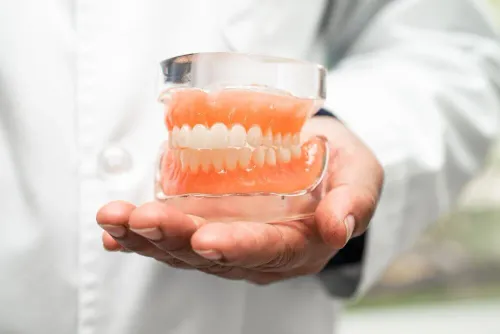
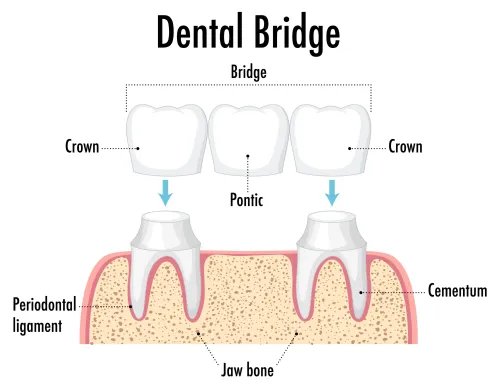
| Fixed bridge | Artificial tooth supported by crowns on neighbouring teeth | Requires reshaping adjacent teeth and careful cleaning beneath the bridge |
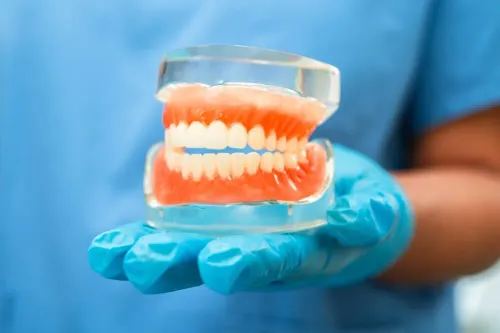
| Removable partial denture | Replacement tooth attached to a removable appliance | Lower surgical commitment, but it must be removed, cleaned, and adjusted |
| Implant-supported restoration | Implant placed in bone and restored with a crown | Preserves a separate replacement root, but requires sufficient healing, bone, and gum support |
An implant is not placed into active infection. After extraction, the dentist must assess infection control, healing, bone volume, gum condition, and whether grafting is needed; these findings determine the timing and number of procedures.
For broken tooth treatment in Nashik, ask the clinician to record:
- Crack location and whether it reaches the root
- Pulp status and whether root-canal treatment is needed
- Whether the tooth is restorable
- Each replacement alternative
- Number of visits and temporary protection
- Expected longevity and maintenance
- Complete costs, including imaging, extraction, grafting, and the final restoration
Dr. Bhonsale's Dental Clinic & Implant Center is one local option to ask whether its examination covers these decisions, rather than choosing a tooth restoration dentist in Nashik only because the clinic lists crowns or implants.
Related services
involves repairing damaged teeth using tooth-colored fillings, inlays, or onlays. View service → |
Fixed Teeth (Crowns & Bridges) Crowns (caps) and bridges are fixed prosthetic devices used to restore damaged teeth or replace missing ones. View service → |
Frequently asked questions
What counts as a broken tooth if it does not hurt?
A broken tooth includes a chipped cusp, visible crack, split tooth, fractured filling, or missing piece. Cracks can reach deeper layers before causing pain, so book an examination after an injury even when the tooth feels normal.
Which broken-tooth symptoms need urgent care?
Seek urgent dental care for severe or persistent pain, facial swelling, uncontrolled bleeding, a loose tooth, exposed pulp, or difficulty opening your mouth, swallowing, or breathing. Rinse gently, avoid chewing on the tooth, and do not place aspirin on the gum.
How does a dentist decide whether a cracked tooth can be saved?
The dentist checks the crack’s direction and depth, the amount of sound tooth remaining, pulp health, gum and bone support, and whether the tooth can withstand a restoration. Examination, bite tests, transillumination, and dental X-rays may be used.
Which repair is used for a broken tooth?
A filling suits a small defect, while an inlay or onlay covers larger damage when enough tooth remains. A crown protects a heavily weakened tooth. Root canal treatment is needed when the pulp is infected or exposed, followed by a restoration that seals and strengthens the tooth.
What happens if a broken tooth cannot be restored?
The dentist removes the tooth when the crack extends below the gum or too little strong structure remains. Replacement options include a dental implant, bridge, or removable partial denture, chosen according to your bone, bite, health, and preferences.
Related services
Root canal treatment is a pain-relieving procedure to save a tooth with infected or damaged pulp. Dr. View service → |
Tooth Extraction (Including Third Molars) Tooth extraction involves the safe removal of teeth that are damaged, decayed, or impacted. Dr. View service → |
Keywords