The first days after extensive dental treatment can bring tenderness, swelling, sensitivity, speech changes and uncertainty about what you can safely eat or clean. You will be able to distinguish normal adjustment from warning signs, follow a practical recovery schedule, clean each type of restoration and plan maintenance that protects your results for years.
Key takeaways
- Expect tenderness, swelling, sensitivity and bite changes during early healing.
- Choose soft foods, brush gently and increase activity as comfort returns.
- Clean implants, crowns, bridges, veneers and dentures with the right tools.
- Keep scheduled reviews and report persistent pain, looseness or bite changes.
What feels normal during the first days and weeks?
Gum tenderness, mild swelling, temperature sensitivity, altered bite awareness, temporary speech changes and cautious chewing are common during the first days after extensive treatment. Your muscles and tissues need time to adapt.
A comfortable temporary tooth does not prove that an implant has finished healing; bone integration can take several months before the implant supports its definitive restoration.
Temporary crowns and bridges need separate protection. Avoid sticky and hard foods until the final restorations are fitted and cemented, because chewing force can loosen or fracture temporary work. A search for full mouth rehabilitation for benefits after treatment in nashik does not replace an examination when symptoms worsen.
- Contact your dentist promptly for severe or worsening pain, spontaneous toothache, persistent difficulty eating, increasing swelling, pus, bad taste or fever.
- Arrange an immediate review for a loose crown or bridge, implant mobility, bleeding around an implant, a changed bite or a clicking component.
| Usually part of adjustment | Requires dental review |
|---|---|
| Gum tenderness or mild swelling that settles | Swelling that increases |
| Brief temperature sensitivity | Severe or worsening sensitivity |
| New speech sounds or cautious chewing | Persistent difficulty eating |
| Awareness of a different bite | One contact hitting first or a shifting bite |
| Comfortable temporary implant tooth | Implant movement, bleeding or clicking |
Pain on biting, repeated chipping or jaw fatigue also deserves a bite check rather than repeated self-adjustment.
How should you eat, brush and return to normal activities?
For full mouth rehabilitation aftercare in Nashik, follow the treatment team’s instructions for each crown, bridge, veneer, denture or implant. The recovery timetable is practical, not fixed:
| Period | Eating | Cleaning and activity |
|---|---|---|
| First 24 hours | Choose cool or lukewarm soft foods. Take small bites and avoid chewing on treated areas. | Unless told otherwise, gently brush the accessible teeth that evening or the next morning; do not scrub tender gums. Delay work or exercise if sedation, surgery, swelling or discomfort affects you. |
| First week | Add softer solids as comfort allows. Keep hard, sticky and very chewy foods away from temporary crowns and bridges. | Restart flossing or interdental cleaning when the dentist instructs you. Return to work and exercise when alert, comfortable and free from activity-related bleeding or swelling. |
| First month | Practise speech, use small bites and test textures gradually rather than suddenly biting hard foods. | Build activity normally, following any implant or surgical restrictions. Chewing stability develops as tissues settle and muscles adapt, not on a fixed day. |
Rinse gently if recommended, but do not use force against healing areas. A temporary restoration can loosen from sticky food or fracture under hard food, so keep its diet until the definitive restoration is fitted and cemented.
Persistent pain on biting, one contact hitting first, jaw fatigue or repeated chipping requires a bite review, not repeated self-adjustment or grinding.
How do you clean implants, crowns, bridges, veneers and dentures?
Cleaning changes by restoration, but the foundation stays the same: use a soft-bristle toothbrush and fluoride toothpaste on natural teeth, crowns, veneers and gumline margins. Apply light pressure; abrasive scrubbing can wear surfaces and irritate the gums.
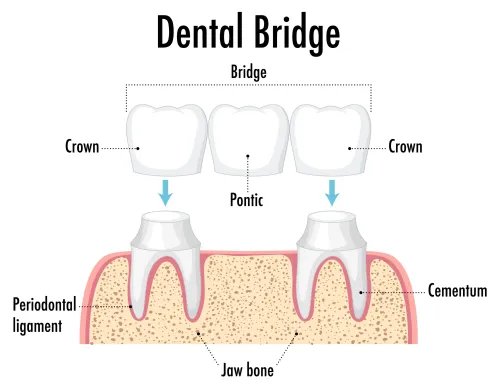
For life after full mouth rehabilitation in Nashik, clean between restorations with an appropriately sized interdental brush. Use floss threaders or specialised floss to pass beneath bridge connectors, where ordinary floss cannot enter. Use a water flosser only after your dental team confirms the pressure setting and demonstrates the technique.
A full-arch implant bridge needs special attention. Brush the accessible outer surfaces, then ask how the underside and implant interfaces will be professionally accessed; ordinary brushing cannot reach every surface. The prosthesis may need specialised instruments or removal during maintenance.
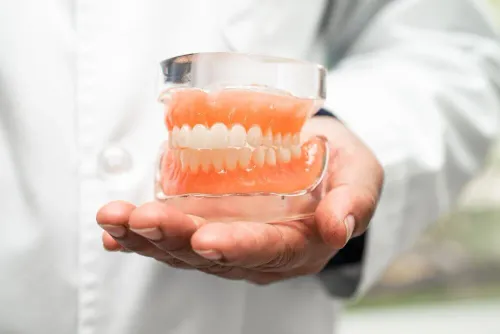
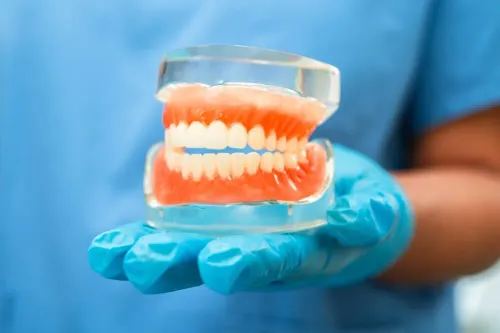
Remove dentures at night unless your dentist specifically instructs otherwise. Brush them with a denture brush and non-abrasive cleanser, rinse them after meals, and soak them in denture solution as directed. Never use hot water, bleach or household cleaners.
Protect every restoration by avoiding:
- Tobacco, which harms gum and implant health.
- Very abrasive whitening products.
- Sharp instruments used to scrape around restorations.
- Opening packets with your teeth or crowns.
Keep scheduled professional cleaning appointments even when the restorations feel smooth. Plaque still collects at margins, beneath bridges and around implant abutments.
What maintenance schedule protects the reconstruction over time?
Schedule reviews by risk, not by an automatic six-month rule. Periodontal history, decay risk, smoking, diabetes control, oral hygiene, grinding, remaining natural teeth and implant status determine whether you need shorter or longer intervals.
At each review, expect a focused maintenance checklist:
- Professional hygiene to remove plaque and calculus from restoration margins and difficult implant areas.
- Gum measurements to detect pocket changes, bleeding and periodontal relapse.
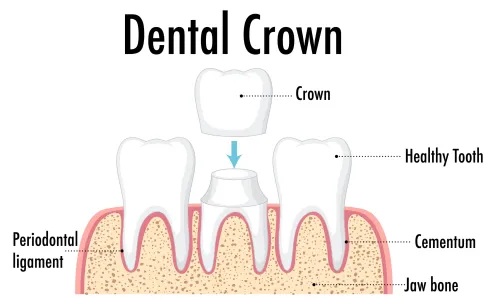
- Inspection of crown and bridge margins for leakage, decay, cement failure, chipping or looseness.
- Examination of implant tissues for inflammation, bleeding, swelling, pus or mobility.
- Bite checks for a new early contact, jaw fatigue, repeated chipping or discomfort.
- X-rays when clinical findings, symptoms or implant monitoring make them necessary; they are not automatic at every visit.
- Denture fit checks, pressure-spot adjustments, relining or repair when looseness affects chewing or speech.
- Review and fit checks for any prescribed night guard.
A night guard matters when you grind or clench, have fractured restorations, tooth wear or jaw symptoms. Do not keep wearing an appliance that feels tight or changes your bite; a poorly fitting guard can create pressure points.
For maintaining full mouth restoration in Nashik, ask Dr. Bhonsale's Dental Clinic & Implant Center who will service a fixed implant prosthesis, how often your risk profile requires review, and what to do if a component loosens. Ask how its underside and implant interfaces will be accessed professionally.
Use reviews to discuss stopping tobacco and report poorly controlled diabetes, including current medicines and recent medical advice.
Related services
Full mouth rehabilitation is a comprehensive approach to restore and rebuild a patient’s entire oral function and aesthetics. View service → |
Replacement Of Missing Tooth Or Teeth Dental implants are permanent solutions for missing teeth, designed to mimic natural tooth roots and provide a strong foundation for fixed or... View service → |
How do you adapt to daily life and recognise problems years later?
Successful long-term use feels natural, but it begins with relearning how much pressure to use, how speech feels, and which food textures your reconstructed bite handles comfortably. Start with small bites and increase chewing demands gradually rather than testing the work with sudden force.
Avoid sudden force on:
- Hard sweets and ice
- Bones
- Uncut hard foods
- Sticky foods that pull at restorations
Never open packets with your teeth. Do not skip cleaning because crowns, bridges or implants are artificial, and wear a prescribed night guard consistently. Plaque still collects at restoration margins, beneath bridges and around implant abutments.
Over several years, decay, gum disease, implant inflammation, staining, fracture, cement failure, component wear and grinding can develop. Repairs or replacement are part of planned care; they do not prove that rehabilitation failed.
Arrange a review for:
- Bleeding, swelling, pus or a persistent bad taste
- Mobility or clicking
- Persistent pain or repeated chips
- Jaw fatigue
- A bite that feels shifted or contacts unevenly
Small occlusal adjustments can help while your muscles and chewing pattern adapt. Persistent pain on biting, one tooth or implant touching first, repeated chipping or a changing bite requires assessment. Grinding down healthy tooth structure without identifying the cause is not routine aftercare.
Regular reviews find problems before a loose component, inflammation or a worn restoration becomes a larger repair.
Frequently asked questions
What feels normal during the first days and weeks after full mouth rehabilitation?
Gum tenderness, mild swelling, temperature sensitivity, altered bite awareness, temporary speech changes and cautious chewing can occur while tissues and muscles adapt. Contact your dental team about severe pain, increasing swelling, fever or a restoration that feels loose.
How should you eat, brush and return to normal activities?
Start with soft foods, chew carefully and avoid very hot, hard or sticky foods while your mouth settles. Brush gently with a soft-bristled toothbrush, clean between teeth as instructed and return to normal activity as comfort allows.
How do you clean implants, crowns, bridges, veneers and dentures?
Brush twice daily with a soft-bristled toothbrush and fluoride toothpaste unless your dentist gives different instructions. Use floss, interdental brushes or a water flosser around fixed restorations as directed, and remove and clean removable dentures separately.
What maintenance schedule protects a full mouth reconstruction over time?
Attend the review appointments recommended for your reconstruction, maintain professional cleanings and keep daily home-care consistent. Your dentist can check gum health, bite balance, implant stability, cemented restorations and denture fit.
How do you recognise problems years after full mouth rehabilitation?
Arrange an examination if you develop persistent pain, bleeding, swelling, bad taste, sensitivity, a changed bite, chipped material, movement or difficulty cleaning. Early assessment can identify problems before they affect neighbouring teeth or supporting tissues.
Related service
Fixed Teeth (Crowns & Bridges) Crowns (caps) and bridges are fixed prosthetic devices used to restore damaged teeth or replace missing ones. View service → |
Keywords