
Rain and humidity do not inherently make implant surgery unsafe. Your real decision depends on gum and bone health, medical conditions, infection control, smoking, and whether you can reach every follow-up appointment safely; by the end, you will know when monsoon treatment is reasonable and when postponing is wiser.
Key takeaways
- Rain and humidity do not prevent osseointegration or make implant surgery unsafe.
- Choose surgery when you can protect rest, hygiene, transport, and follow-up appointments.
- Keep the surgical area clean and contact your dentist for worsening pain, swelling, or fever.
- Prioritize reliable follow-up access over choosing a particular month for treatment.
Rainy weather does not determine implant safety
Yes. Dental implants for during monsoon in Nashik are medically safe when you are otherwise suitable for surgery. Rain, humidity, ordinary temperature changes, and the monsoon calendar do not prevent osseointegration or make a sterile implant procedure unsafe.
An active dental or general infection is a clinical issue, not a weather issue, and needs assessment before placement.
Safety depends more on:
- Adequate bone volume and healthy gums
- Controlled diabetes and other medical conditions
- No smoking or tobacco use
- Effective daily oral hygiene
- Sterile surgical technique
- Reliable follow-up care
Poorly controlled diabetes can delay healing and raise complication risk, so your dentist should review your medical history and glucose control rather than approve treatment based on favourable weather. Well-controlled diabetes is different from uncontrolled diabetes.
Monsoon changes convenience, not implant biology. Flooding, traffic, power interruptions, or difficulty obtaining medicines can cause missed reviews or delayed treatment if a problem develops. Before scheduling, confirm that you can reach the clinic safely, keep the surgical area clean, follow prescribed instructions, and attend follow-up appointments.
Do not start antibiotics, antiseptic rinses, or pain medicines without your implant dentist’s direction.
The best season is the season you can heal reliably
Monsoon does not change the medical timing of implant surgery. Rain, humidity, and normal seasonal temperature changes do not impair osseointegration; the patient’s gum health, bone volume, oral hygiene, smoking, diabetes control, surgical sterility, and follow-up access matter more.
| Timing factor | Proceeding during monsoon means | Delay or reassess when |
|---|---|---|
| Weather | Plan surgery if you can travel safely and attend reviews | Flooding or transport disruption could prevent urgent care |
| Diabetes | Proceed after the dentist reviews stable glucose control | Diabetes is poorly controlled |
| Gums and surgical site | Maintain cleaning instructions and avoid trauma | Active gum disease, acute infection, or an infected extraction site is present |
| Bone and extraction timing | Follow the plan based on the local site | Bone grafting or additional healing is needed before placement |
| Smoking and hygiene | Commit to prescribed care and smoking cessation | You cannot keep the area clean or stop smoking during healing |
The best season for dental implants in Nashik is the season in which you can protect the wound, obtain medicines and soft foods, avoid smoking, and reach every review. Monsoon is a poor choice when flooded roads, power interruptions, or unreliable transport could leave a complication untreated.
An acute infection is treated before elective placement. After extraction, the dentist may wait for gum and bone healing or complete grafting; the calendar month does not set that timetable. Do not start antibiotics, antiseptic rinses, or pain medicines without specific instructions.
Prepare for travel, wound hygiene, and monsoon disruptions
Book the procedure only when you can reach the clinic safely, obtain prescribed medicines, and attend the planned review. Monsoon dental implant care in Nashik is mainly a logistics and hygiene task, not a reason to expose yourself to flooded roads or miss follow-up.
1. Confirm the appointment the day before and ask how the clinic handles flooding, power interruptions, or a delayed review. Save the clinic’s phone number and an after-hours contact.
2. Carry medicines, identification, and appointment details in a sealed waterproof pouch. Arrange transport with extra time, and keep soft foods and drinking water at home so a cancelled trip does not disrupt your first days of recovery.
3. Enter with clean, dry hands; keep wet clothing, umbrellas, and bags away from the treatment area. Do not touch the surgical site, rinse aggressively, or brush it unless your dentist has instructed you to do so.
4. Follow the exact brushing, rinsing, pain-medicine, and antibiotic instructions provided. Do not add an antiseptic mouthwash, antibiotic, or painkiller on your own because rain, dampness, or a missed dose worries you.
5. If roads are unsafe, call before travelling rather than silently missing the visit. Ask whether the review can be moved, and seek prompt dental advice if bleeding, swelling, or pain is worsening instead of waiting for the next clear day.
Keep the area clean and attend every review once travel is safe. A waterproof routine helps; self-treatment does not.
Know what normal recovery looks like and when to call
Mild swelling, tenderness, bruising, and a small blood-tinged saliva leak are normal after implant surgery. Swelling usually peaks within 48 to 72 hours and then improves; discomfort should respond to the prescribed medicine.
Rain does not change this pattern, but implant recovery in rainy season can make medicines, soft foods, transport, and scheduled reviews harder to obtain.
| Finding | Usually normal | Call the implant dentist urgently |
|---|---|---|
| Pain or swelling | Pain that gradually eases; swelling peaking by day 2 or 3 | Severe or increasing pain, or swelling that worsens after day 3 |
| Bleeding | Minor oozing controlled by firm gauze pressure | Bleeding that continues despite 30 minutes of firm pressure |
| Wound | Mild tenderness and a clean, stable healing site | Pus, persistent foul taste, wound opening, or exposed implant |
| General symptoms | Tiredness without fever | Fever, chills, facial swelling spreading toward the eye or neck |
| Breathing or swallowing | Normal breathing and swallowing | Difficulty breathing or swallowing: seek emergency care immediately |
Follow the prescribed brushing, rinsing, and medication instructions. Do not probe the site, smoke, vape, drink alcohol, or start leftover antibiotics. Eat soft foods, avoid chewing over the implant, and keep wet travel clothing, umbrellas, and unclean hands away from the wound.
Arrange help or a reliable route before heavy rain. If you cannot attend a review, contact the clinic rather than silently postponing it. A loose implant, sudden bite change, or numbness also needs prompt assessment.
Choose follow-up access over a preferred calendar month
Choose the dentist who can provide dependable reviews over the clinic that merely fits your preferred month. A dental implant dentist in Nashik should assess bone volume, gum health, smoking or vaping, smokeless tobacco, diabetes control, oral hygiene, and your medical history before recommending placement.
| Clinic choice | What to verify | Warning sign |
|---|---|---|
| Follow-up access | Clinic distance, emergency contact, review schedule, and arrangements during flooding or power cuts | No clear plan if pain, swelling, or a loose component develops |
| Clinical preparation | Sterile surgical protocol, imaging, treatment alternatives, and written medicines and hygiene instructions | Approval based only on favourable weather |
| Long-term support | Professional maintenance after the crown is fitted and advice for cleaning around the implant | “Permanent” treatment presented as maintenance-free |
Ask who will review the site, when the first checks occur, and how quickly you can be seen if transport fails. Dr. Bhonsale's Dental Clinic & Implant Center is one clinic where those questions can help you judge the practical follow-up plan rather than choosing by season alone.
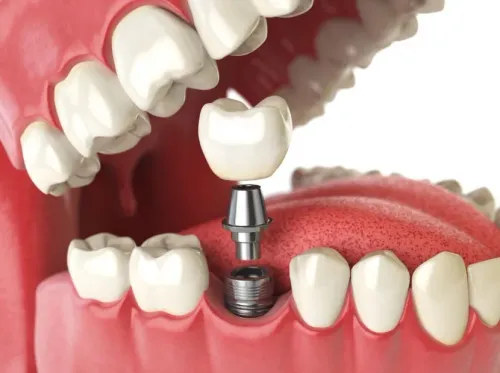
After surgery, follow the prescribed brushing and rinsing instructions, avoid chewing trauma at the site, and take only the recommended antibiotics, pain medicine, or rinse. Once the crown is fitted, clean around it daily with the tools your dentist selects and attend professional maintenance visits.
Plaque-related inflammation can become peri-implantitis, causing bone loss and threatening support. Continue reviews even after the implant feels normal.
Related service
Replacement Of Missing Tooth Or Teeth Dental implants are permanent solutions for missing teeth, designed to mimic natural tooth roots and provide a strong foundation for fixed or... View service → |
Frequently asked questions
Are dental implants safe during monsoon in Nashik?
Yes. Rain, humidity, ordinary temperature changes, and the monsoon calendar do not prevent osseointegration or make a sterile implant procedure unsafe when you are suitable for surgery.
What is the best season for dental implants in Nashik?
The best season is the one in which you can heal reliably, maintain wound hygiene, attend follow-up visits, and manage travel disruptions.
How should you prepare for implant recovery in rainy season?
Plan transport around heavy rain, protect the surgical area from contamination, follow wound-care instructions, and keep enough time for rest and follow-up.
When should you call your dental implant dentist in Nashik?
Call if pain or swelling worsens instead of improving, or if you develop fever, persistent bleeding, discharge, or another concern after surgery.
Keywords