A damaged or missing tooth does not automatically call for a filling, crown, root canal, or implant. You will understand the appointment sequence, the records used to diagnose the problem, how treatment options are compared, and what to ask before agreeing to restore a tooth.
Key takeaways
- Expect an examination, X-rays, photos, and a discussion of treatment options.
- A filling repairs limited decay; a crown protects a weakened tooth.
- Root canal treatment removes infected pulp before the tooth is sealed.
- Ask when the next stage is due and what symptoms require urgent review.
What happens at the first restorative dental appointment?
The first appointment usually establishes whether the tooth can be repaired and what treatment it needs. If you are searching for what happens during restorative for dental treatment in Nashik, expect the visit to follow a clear sequence:
- You provide your medical history, current medicines, allergies, pregnancy status, and conditions such as diabetes, heart disease, or bleeding disorders. Your dental history covers pain, sensitivity, previous fillings, root-canal treatment, trauma, grinding, and your main concern.
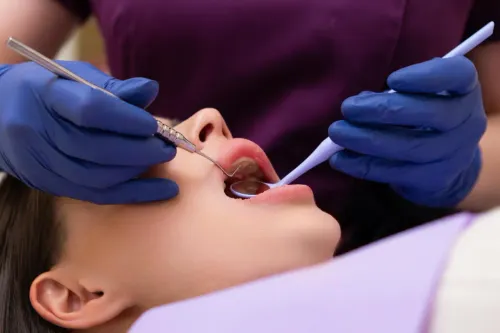
- The dentist examines the teeth, gums, existing restorations, jaw movement, and bite. They may check tenderness, tooth mobility, cracks, decay, and pulp response, then prescribe a bitewing or periapical X-ray when the visible examination cannot show the full problem.
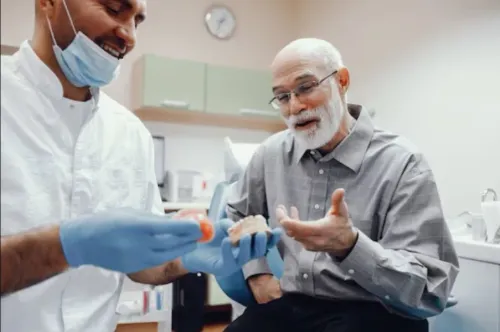
- The dentist explains the diagnosis and treatment sequence. This may include a filling, crown, root-canal treatment, extraction, or replacement of a missing tooth with a bridge, denture, or implant.
- Before treatment begins, ask which tooth is included, the proposed material, alternatives including no treatment, whether a temporary restoration is needed, expected maintenance, and what happens if symptoms continue. Give consent only after these points and the likely limitations are clear.
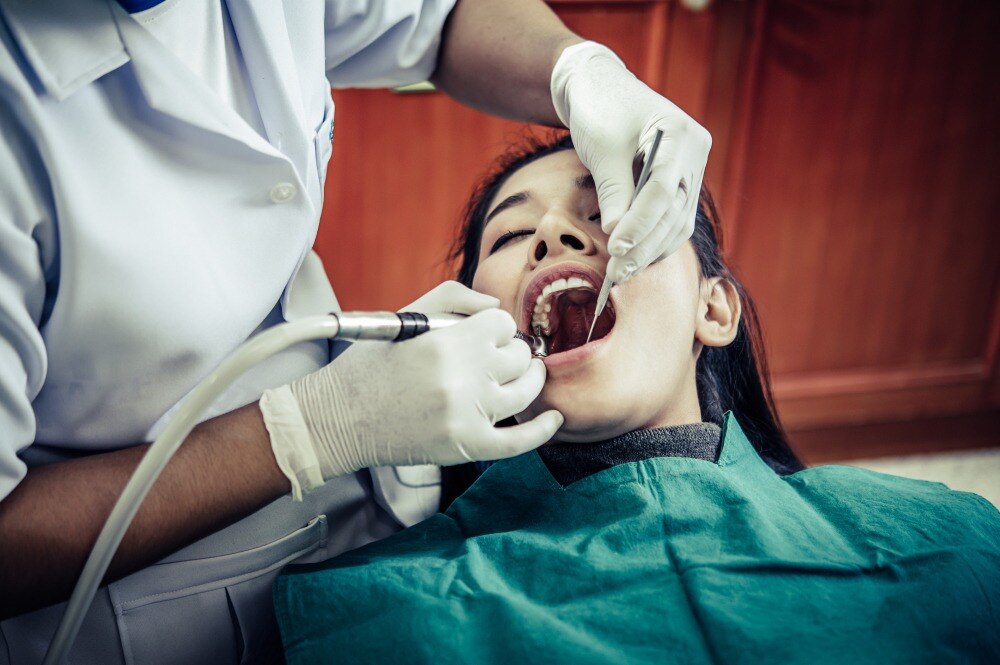
For a filling or other repair, the restorative dentist in Nashik numbs the area with local anaesthetic when preparation could cause discomfort. The dentist confirms the tooth is numb, isolates it from saliva, removes damaged tissue, places or prepares the restoration, checks your bite, and records any follow-up needed.
You should leave knowing the next appointment and warning symptoms to report.
Which records show what needs to be repaired?
The dentist combines clinical findings with records to identify damage that is hidden, not just the part of the tooth you can see. This evidence shows the condition of the tooth, gums, supporting bone, bite, and surrounding teeth before the dental restoration process is chosen.
| Record | What it reveals | Why it changes treatment |
|---|---|---|
| Clinical examination | Decay, cracks, loose fillings, gum bleeding, pocket depth, tooth mobility, and exposed root surfaces | Shows whether the tooth is restorable and whether gum disease or active decay needs control first |
| Intraoral photographs | Tooth colour, fractured edges, worn surfaces, gum recession, and changes to nearby teeth | Creates a visual baseline and helps compare the tooth during planning and follow-up |
| Bitewing X-rays | Decay between teeth, bone levels near the crowns, and recurrent decay beneath fillings | Detects problems a mirror cannot reach and guides filling or crown decisions |
| Periapical X-rays | The full root, surrounding bone, root-end infection, and signs of pulp-related disease | Helps assess root-canal need, extraction risk, and bone support |
| Bite assessment | Contact points, heavy chewing forces, tooth wear, and shifting or over-erupted teeth | Prevents a restoration from being shaped into a damaging bite |
| Intraoral scan or impression | The three-dimensional tooth surfaces and spaces for a crown, bridge, denture, or implant restoration | Provides the working design for laboratory-made repairs and replacement teeth |
For tooth repair treatment in Nashik, the dentist compares these records rather than relying on one image. A small cavity may need a filling, while deep decay, a crack, weak remaining structure, or poor gum and bone support can change the plan entirely.
Ask which tooth each record concerns and what finding led to the proposed treatment.
How does the dentist choose between a filling, root canal, crown, or extraction?
Decay limited to enamel or dentine usually needs a filling when enough sound tooth remains. Deeper damage changes the decision: pulp inflammation or infection points to root-canal treatment, while a badly weakened tooth may need a crown afterward. Root-canal treatment treats the tissue inside; a crown protects the remaining tooth.
| Option | What the dentist checks | When it applies |
|---|---|---|
| Filling | Decay depth and sound walls | Limited damage with enough tooth structure for a stable repair |
| Crown | Remaining structure, cracks, tooth position, and bite forces | A weakened but restorable tooth needs coverage |
| Root canal, then restoration | Pulp involvement, infection, and ability to seal the tooth | The pulp is irreversibly inflamed or infected and the tooth can be saved |
| Extraction | Vertical cracks, decay below the gum line, poor gum or bone support, or non-restorability | Repair cannot provide a predictable result |
A restorative dentist in Nashik also checks whether the tooth can function in its position without excessive bite stress. To restore damaged teeth in Nashik, ask for the diagnosis, prognosis, alternatives including no treatment, and the planned sequence in writing.
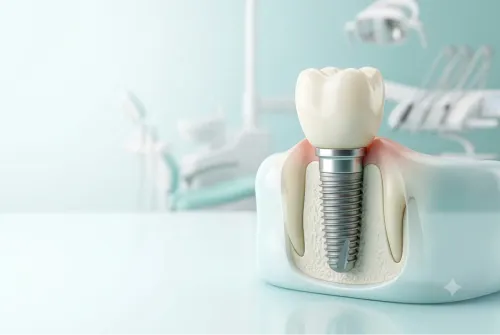
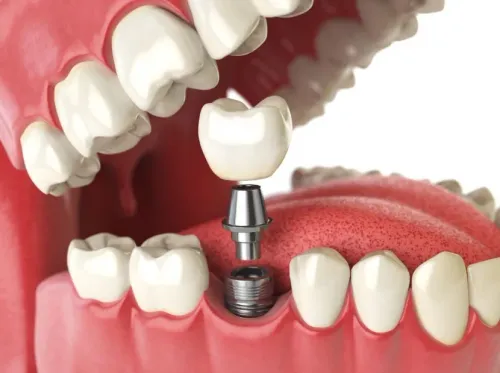
After extraction, replacement depends on adjacent teeth, available bone, gum health, cleaning ability, budget, and bite. A bridge uses neighbouring teeth, a denture replaces one or more teeth with a removable appliance, and an implant supports a crown, bridge, or denture after staged assessment and healing.
Infection, inadequate bone, or uncontrolled gum disease must be addressed before implant placement.
What happens during direct and laboratory-made tooth repairs?
A direct filling or bonded restoration is shaped inside the tooth and often completed in one visit; an inlay, onlay, or crown is fabricated outside the mouth and fitted later. For tooth repair treatment in Nashik, the choice depends on how much sound tooth remains and how much chewing force the repair must withstand.
| Option | What happens | Main trade-off |
|---|---|---|
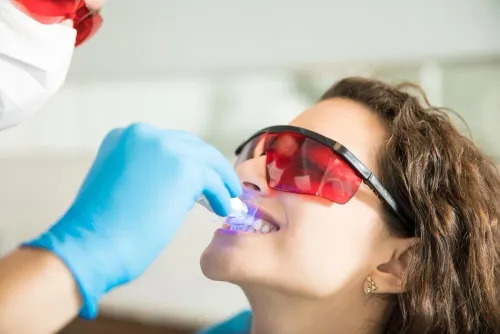
| Direct filling or bonded restoration | After decay removal, the dentist controls saliva with cotton rolls, suction, or isolation. Composite is placed in layers, each cured with a light, then shaped and checked in the bite. | Faster and more conservative, but it cannot replace tooth structure already lost elsewhere. |
| Inlay or onlay | The dentist removes decay and reduces the damaged area, then takes an intraoral scan or conventional impression. A temporary covering protects the tooth while the laboratory makes the restoration. | More planned coverage than a filling, with an additional fitting visit. |
| Crown | The tooth is reduced around its surfaces, scanned or impressed, and covered with a temporary crown. At try-in, the dentist checks fit, contacts, colour, and occlusion before cementation. | Protects a heavily weakened tooth but removes more tooth structure. |
The dental restoration process ends with bite adjustment, not simply cementation. If a bridge is present, ask how to clean beneath the artificial tooth using a floss threader, super floss, or an interdental brush; trapped plaque can inflame gums and damage supporting teeth. Report persistent pain, a high bite, looseness, or sensitivity.
What happens after treatment, and how should you plan the next stage?
Pain relief does not mean a root-canal tooth is finished. The canals must be cleaned, filled, and sealed, followed by a durable filling or crown to prevent fracture and reinfection.
- Confirm the sequence in writing: which teeth are included, whether a temporary restoration is needed, and when the final filling, crown, bridge, denture, or implant will be placed.
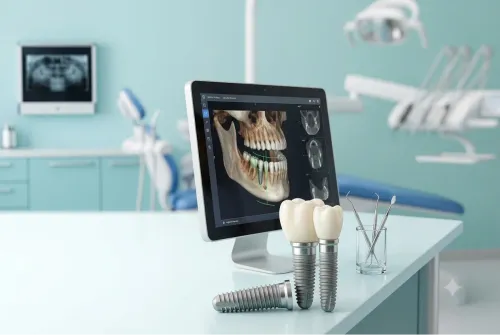
- For an implant, expect stages: examination and imaging, implant placement, healing or integration, abutment placement, and attachment of the crown, bridge, or denture. Immediate provisional teeth require adequate stability, bone, and infection control.
- Return for the planned review so the dentist can check healing, contacts, bite, gum health, and the fit of the restoration. A new denture often needs adjustment where it rubs, feels loose, or affects speech.
- Maintain the result with brushing twice daily, interdental cleaning, professional reviews, and a night guard if bite forces threaten the restoration. Avoid chewing hard foods on a temporary crown.
Contact the dentist promptly for swelling, fever, a gum boil, worsening pain, a loose restoration, a fractured tooth, numbness, or a bite that feels high. Ask: “Is the tooth restorable?” “What are the alternatives, including no treatment?” “What material and maintenance will you recommend?” and “What happens if symptoms persist?”
For patients seeking to restore damaged teeth in nashik, Dr. Bhonsale's Dental Clinic & Implant Center can use its assessment to sequence root-canal protection, fixed restorations, dentures, or implant stages. A treatment estimate is not a prognosis; longevity also depends on tooth structure, gums, hygiene, diet, smoking, bite, and follow-up.
Related services
involves repairing damaged teeth using tooth-colored fillings, inlays, or onlays. View service → |
Full mouth rehabilitation is a comprehensive approach to restore and rebuild a patient’s entire oral function and aesthetics. View service → |
Frequently asked questions
What happens at the first restorative dental appointment?
The dentist reviews your symptoms and medical history, examines the tooth and surrounding tissues, and orders records such as X-rays or photographs when needed. You then discuss whether the tooth can be repaired and which treatment fits its condition.
Which records show what needs to be repaired?
The dentist may use bitewing or periapical X-rays, intraoral photographs, periodontal measurements, and impressions or digital scans. These records show decay depth, bone support, root condition, cracks, and the fit of existing restorations.
How does the dentist choose between a filling, root canal, crown, or extraction?
A filling suits limited damage with healthy pulp and enough sound tooth structure. Root canal treatment is used when the pulp is infected or irreversibly inflamed. A crown protects a tooth with substantial structural loss, while extraction is considered when the tooth cannot be predictably restored.
What happens during direct and laboratory-made tooth repairs?
A direct filling is shaped and hardened in the tooth during the appointment. A laboratory-made inlay, onlay, crown, bridge, or similar restoration requires a scan or impression, a temporary restoration when needed, and a later appointment for try-in, adjustment, and cementation.
What happens after restorative dental treatment?
The dentist checks your bite, explains cleaning and eating instructions, and schedules review or the next treatment stage. Contact the clinic about severe or worsening pain, swelling, a loose restoration, or a bite that feels high.
Related services
Root canal treatment is a pain-relieving procedure to save a tooth with infected or damaged pulp. Dr. View service → |
Fixed Teeth (Crowns & Bridges) Crowns (caps) and bridges are fixed prosthetic devices used to restore damaged teeth or replace missing ones. View service → |
Replacement Of Missing Tooth Or Teeth Dental implants are permanent solutions for missing teeth, designed to mimic natural tooth roots and provide a strong foundation for fixed or... View service → |
Aesthetic (Cosmetic) Dentistry Aesthetic dentistry enhances the appearance of your teeth and smile. View service → |
Keywords