Adults with discoloured teeth, irregular edges, gaps, crowding, or different tooth lengths are often suitable for cosmetic treatment, but the right option depends on the cause and the condition of the teeth and gums. By the end, you will be able to distinguish treatments for colour, shape, position, and tooth damage, then prepare more useful questions for a dental consultation.
Key takeaways
- Healthy gums and teeth are the starting point for cosmetic treatment.
- Stains from food differ from stains inside tooth enamel or dentin.
- Bonding, veneers, whitening, contouring, and orthodontics solve different concerns.
- Compare treatment goals, tooth preparation, maintenance, and total costs before choosing.
Who is a suitable candidate for cosmetic treatment?
Adults with stained or uneven teeth can receive cosmetic treatment; age alone does not decide suitability. Your dentist first checks oral health, tooth structure, the bite, and the cause of the problem.
| Problem | Least-invasive suitable option | What it changes |
|---|---|---|
| Surface stains | Professional cleaning or whitening | Tooth colour, not position |
| Crowding, spacing, or rotation | Orthodontics | Tooth position and bite |
| Very small edge or contour difference | Enamel reshaping | A limited amount of tooth length or shape |
| Chips, small gaps, or larger shape differences | Composite bonding | Adds material to change shape or size |
| Persistent colour or shape problems | Veneers | Covers the front surface; preparation may be required |
Whitening cannot straighten, level, close spaces, correct crowding, or fix rotation. Enamel reshaping is unsuitable when removing enamel would expose dentin or weaken the tooth.
Postpone elective cosmetic work if you have active cavities, untreated gum disease, a cracked tooth, significant tooth wear, uncontrolled infection, or an unstable bite. Treating these problems first prevents pain, restoration failure, and worsening damage.
Adult planning also considers existing fillings and crowns, missing teeth, gum recession, bone support, and whether orthodontic treatment will require retainers. Searching for cosmetic dentistry for stained uneven teeth in Nashik should lead to an examination-based plan, not a procedure chosen from a photograph or advertisement.
The least-invasive option that achieves your goal usually protects more healthy tooth structure.
How does a dentist identify the cause of stained teeth?
A dentist identifies the cause by examining the stain’s location, surface texture, tooth history, gums, cavities, cracks, and existing restorations. Coffee, tea, tobacco, and plaque usually leave extrinsic stains on enamel; fluorosis mottling, tetracycline staining, trauma, enamel defects, decay, and colour changes inside a tooth point to intrinsic problems.
| Type of discoloration | Useful treatment for stained teeth | What to expect |
|---|---|---|
| Surface stain from coffee, tea, tobacco, or plaque | Professional cleaning; supervised whitening if enamel and gums are healthy | Often responds well |
| Fluorosis, tetracycline staining, trauma, or enamel defect | Bonding or veneers; whitening assessment | Bleaching may leave uneven colour |
| Decay or colour change inside a tooth | Treat the disease or injured tooth first; restorative treatment may follow | Whitening alone may fail |
Whitening changes natural enamel and dentin, but it does not change the colour of fillings, crowns, bridges, veneers, or implants. Whiten before replacing a visible restoration when possible, so the dentist can match the new filling, crown, or veneer to your final shade.
Cavities, exposed roots, gum recession, and existing sensitivity can make bleaching painful. Correctly fitting trays, the prescribed peroxide concentration, and exact instructions reduce gum irritation and sensitivity; overusing peroxide can worsen both. Bleaching is postponed during pregnancy or breastfeeding and is not a children’s cosmetic treatment.
Which treatment corrects uneven length, shape, spacing, or alignment?
The right uneven teeth cosmetic treatment depends on whether the problem is a small edge difference or a tooth-position problem.
| Option | Best for | Main trade-off |
|---|---|---|
| Enamel reshaping | A slightly long edge or small contour irregularity | Too much removal can expose dentin and cause sensitivity |
| Composite bonding | Chipped edges, small gaps, or shape differences | It can stain, wear, or fracture, especially on front-tooth edges |
| Porcelain veneers | Persistent discoloration, minor gaps, and shape differences | Conventional veneers usually require enamel removal |
| Orthodontics | Crowding, rotation, spacing, or a bite problem | Treatment takes time and requires retainers afterward |
| Crown | A weakened or extensively damaged tooth | It covers a prepared tooth and requires substantially more reduction |
Reshaping is unsuitable for crowding or a rotated tooth because it removes structure without correcting position. Bonding preserves more healthy enamel than a veneer, but repairs and maintenance may be needed. Veneers can chip or debond, allow decay at the margin, or contribute to gum problems; they are not reversible after conventional preparation.
A crown is not simply a stronger veneer. For a healthy, mildly uneven front tooth, reshaping, bonding, a veneer, or orthodontics may preserve more tooth structure. Adult orthodontic planning must include gum and bone health, existing fillings or crowns, missing teeth, bite stability, and the retainers needed to hold the result.
What happens before and during an adult smile improvement plan?
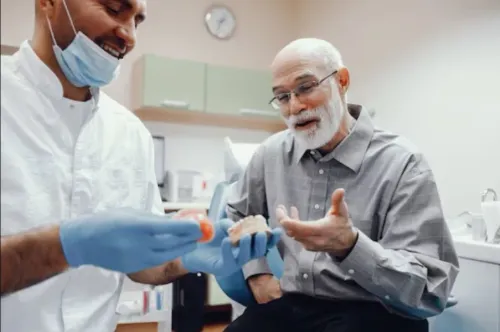
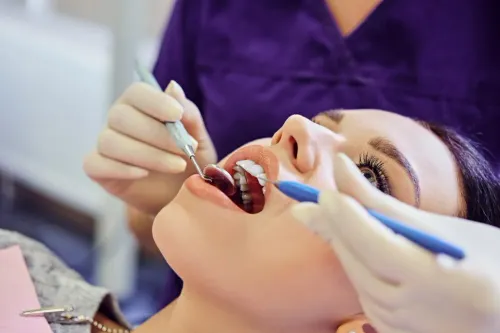
A responsible consultation turns your cosmetic request into a safe sequence: examine before treating. The dentist checks cavities, cracks, enamel thickness, gum bleeding or recession, infection, bite interference, sensitivity, tooth wear, and existing fillings, crowns, or veneers.
Clinical photographs and a shade assessment document the starting point; scans or impressions are added when alignment, bite, or a planned restoration requires them.
The diagnosis separates surface stain from internal discoloration and distinguishes uneven shape from tooth-position problems. Your alternatives should be compared before any irreversible preparation.
| Option | Main stage | Recovery or maintenance |
|---|---|---|
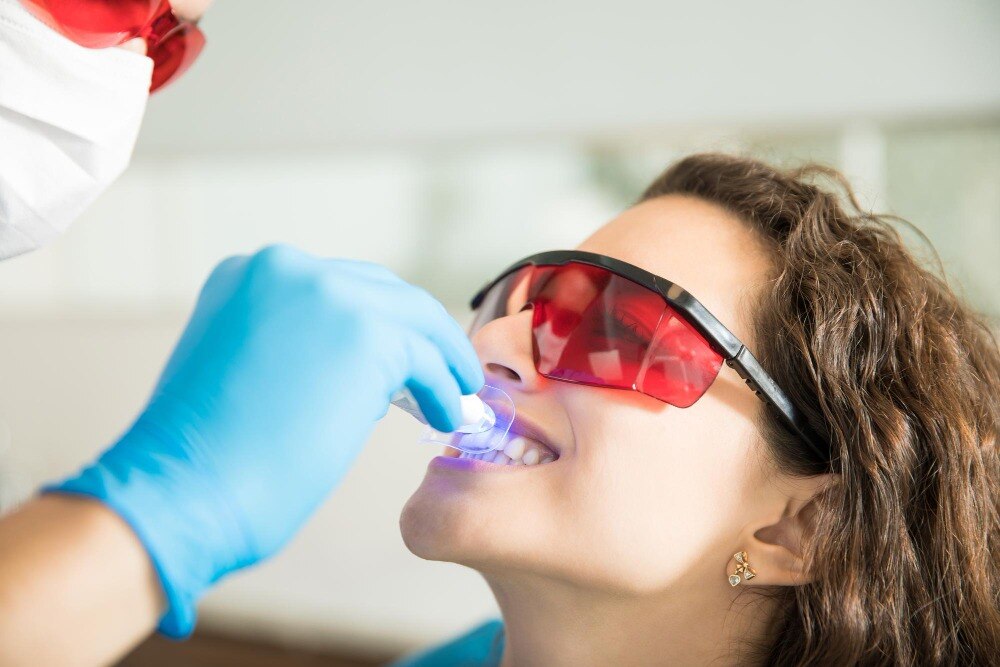
| Whitening | Natural-tooth shade assessment and fitted trays or supervised application | Short-term sensitivity or gum irritation; avoid prescribed trigger foods |
| Bonding | Composite added to chipped or uneven edges | Little recovery; polish, repair, and protect against wear |
| Orthodontics | Scans or impressions, scheduled adjustments, then retainers | Ongoing appointments and retainer use |
| Veneers or crowns | Tooth preparation followed by temporary or final restorations | Anaesthetic may be needed; follow temporary-restoration and dietary instructions |
Ask these questions before agreeing to treatment:
- Which teeth will be treated, and how much natural enamel will remain?
- How many visits are needed, and is local anaesthetic required?
- What recovery time, food restrictions, cleaning routine, and maintenance apply?
- What happens if the final colour or shape does not meet expectations?
For adult smile improvement in Nashik, insist that the written plan records these answers rather than relying on a photograph or shade preference.
How should you compare cosmetic dentistry options in Nashik?
“Cosmetic dentistry in Nashik” and “cosmetic dentistry for stained uneven teeth in Nashik” describe a goal and location, not one treatment or quality standard. Ask the dentist to show the diagnosis, explain why whitening, orthodontics, reshaping, bonding, veneers, or a crown fits your teeth, and identify the option that preserves the most healthy tooth structure.
| Option | Preparation, visits and anaesthesia | Risks, care, repair and cost |
|---|---|---|
| Whitening | Little preparation; appointment and prescribed home use; usually no anaesthesia | Sensitivity or gum irritation; follow cleaning and food instructions; maintenance involves repeat whitening; compare the full course cost |
| Orthodontics | Records, attachments, and multiple visits; anaesthesia is not routine | Cleaning is essential; ask about discomfort, retainers, repair visits, and total treatment cost |
| Reshaping or bonding | Minimal enamel adjustment or composite addition; often fewer visits; anaesthesia may be unnecessary | Compare sensitivity, staining, wear, fracture repair, polishing, and maintenance cost |
| Veneer or crown | Veneers require enamel preparation; crowns require substantially more tooth reduction; temporary and final visits may need anaesthesia | Ask about sensitivity, margins, diet, repairs, replacement, and long-term cost |
Ask whether whitening is needed before matching a visible restoration, and whether a retainer is required after tooth movement. At Dr. Bhonsale's Dental Clinic & Implant Center in Nashik, use the consultation to compare examination findings, alternatives, and maintenance—not a promotional label.
Related services
Aesthetic (Cosmetic) Dentistry Aesthetic dentistry enhances the appearance of your teeth and smile. View service → |
involves repairing damaged teeth using tooth-colored fillings, inlays, or onlays. View service → |
Frequently asked questions
Who is a suitable candidate for cosmetic dentistry?
Adults with healthy gums, manageable decay, adequate tooth structure, and a stable bite can be candidates. A dentist treats active gum disease, cavities, infection, or severe wear before cosmetic work.
How does a dentist identify the cause of stained teeth?
The dentist reviews your diet, smoking, medicines, dental history, and staining pattern, then examines the enamel and gums. They distinguish surface stains from internal discoloration caused by trauma, fluorosis, ageing, or certain medicines.
Which treatment corrects uneven length, shape, spacing, or alignment?
Composite bonding can reshape small chips, gaps, and length differences. Veneers cover selected front-tooth changes, enamel contouring removes tiny irregularities, and orthodontic treatment moves misaligned teeth. The right choice depends on enamel, bite, spacing, and the desired change.
What happens before and during an adult smile improvement plan?
Your dentist records your concerns, examines your teeth and bite, checks gum health, and discusses treatment limits, alternatives, maintenance, and expected appearance. The plan may include cleaning, photographs, scans or impressions, temporary restorations, and a review after treatment.
How should you compare cosmetic dentistry options in Nashik?
Compare how much tooth preparation each option requires, how long results last, whether treatment is reversible, maintenance needs, repair options, material quality, and the complete quoted cost. Ask to see relevant clinical examples and request a written treatment sequence.
Related service
Fixed Teeth (Crowns & Bridges) Crowns (caps) and bridges are fixed prosthetic devices used to restore damaged teeth or replace missing ones. View service → |
Keywords